
Article: Handloom Sarees: Common Questions Answered (Beginner’s Guide)
Handloom Sarees: Common Questions Answered (Beginner’s Guide)
Handloom sarees are admired for their beauty and craftsmanship, but many buyers have genuine questions before choosing one. From understanding how they are made to knowing how to identify authentic handloom, clarity is essential when shopping for handwoven sarees.
In this beginner-friendly guide, we answer the most common questions about handloom sarees to help you make informed and confident choices.
What are handloom sarees?
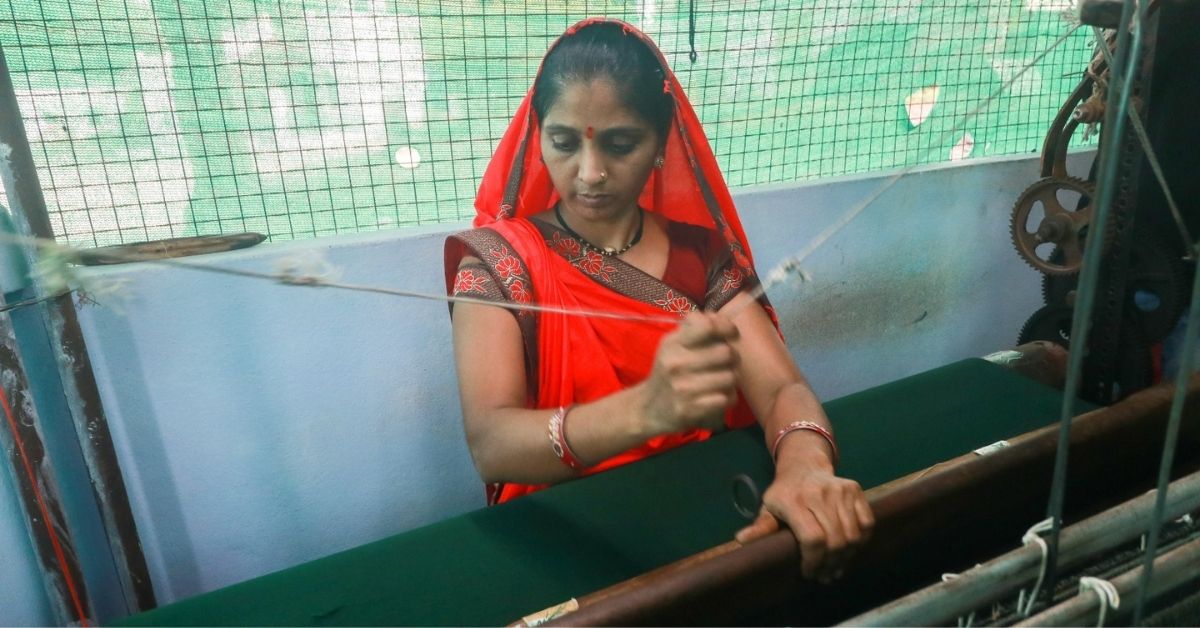
Handloom sarees are sarees woven by skilled artisans using traditional hand-operated looms. The weaving process does not involve electricity, allowing weavers to control each thread manually. This results in a fabric that feels softer, more breathable, and unique in character. Each handloom saree reflects the craftsmanship, cultural heritage, and weaving traditions of its region.
How are handloom sarees different from powerloom sarees?
The primary difference lies in the method of production. Handloom sarees are woven manually, while powerloom sarees are produced using machines. Handloom sarees take longer to make and involve greater human skill, resulting in a distinct texture and individuality. Powerloom sarees, on the other hand, are mass-produced and prioritize speed and uniformity over craftsmanship.
How many types of handloom sarees are there?
India is home to hundreds of varieties of handloom sarees, each defined by its region, weaving technique, and fabric. Broadly, handloom sarees can be categorized into cotton, silk, and silk cotton sarees. Well-known varieties include Maheshwari, Pochampally, Jamdani, Chanderi, Bengal cotton, and Kanchipuram handloom sarees. Each type differs in weave, texture, motifs, and purpose, offering a wide range of choices for different occasions.
Are handloom sarees durable?
Yes, handloom sarees are known for their durability when maintained properly. Because they are woven with care and often use strong natural yarns, handloom sarees age gracefully. With gentle washing and correct storage, they can remain beautiful and wearable for many years.
Why are handloom sarees more expensive?
Handloom sarees are priced higher because they involve skilled manual labor, time, and traditional expertise. A single saree can take several days or even weeks to weave. The cost reflects fair wages for artisans, sustainable production practices, and the preservation of traditional crafts — not just the fabric itself.
How can I identify an authentic handloom saree?
Authentic handloom sarees often have subtle irregularities in the weave, a soft natural feel, and handwoven borders or motifs. Unlike machine-made sarees, they do not appear overly uniform. Purchasing from trusted brands that work directly with weaving clusters also helps ensure authenticity.
Are handloom sarees suitable for daily or office wear?
Absolutely. Many handloom sarees, especially cotton, silk cotton, and lightweight weaves, are ideal for daily and office wear. They are breathable, comfortable, and elegant without being heavy, making them suitable for long hours and regular use.
Are handloom sarees sustainable?
Handloom weaving is one of the most sustainable textile practices. It consumes minimal energy, generates very little waste, and supports artisan livelihoods. Choosing handloom sarees contributes to environmentally responsible fashion and helps sustain traditional weaving communities.
How should handloom sarees be maintained?
Handloom sarees should be washed gently, either by hand or through dry cleaning depending on the fabric. They should be stored in breathable cotton covers and kept away from prolonged exposure to direct sunlight. Proper care helps preserve their color, texture, and longevity.
Why choose handloom sarees from Varnastra?
At Varnastra, we curate authentic handloom and handcrafted sarees sourced directly from artisan communities across India. Each saree is chosen for its quality, craftsmanship, and timeless appeal, allowing you to experience the richness of traditional weaving in a contemporary context.
👉 Explore our handloom saree collections to discover sarees that celebrate craftsmanship, comfort, and conscious fashion.

